Apply for Pomalyst (Pomalidomide) Copay Card & Copay Assistance Coming Soon!


FAQs
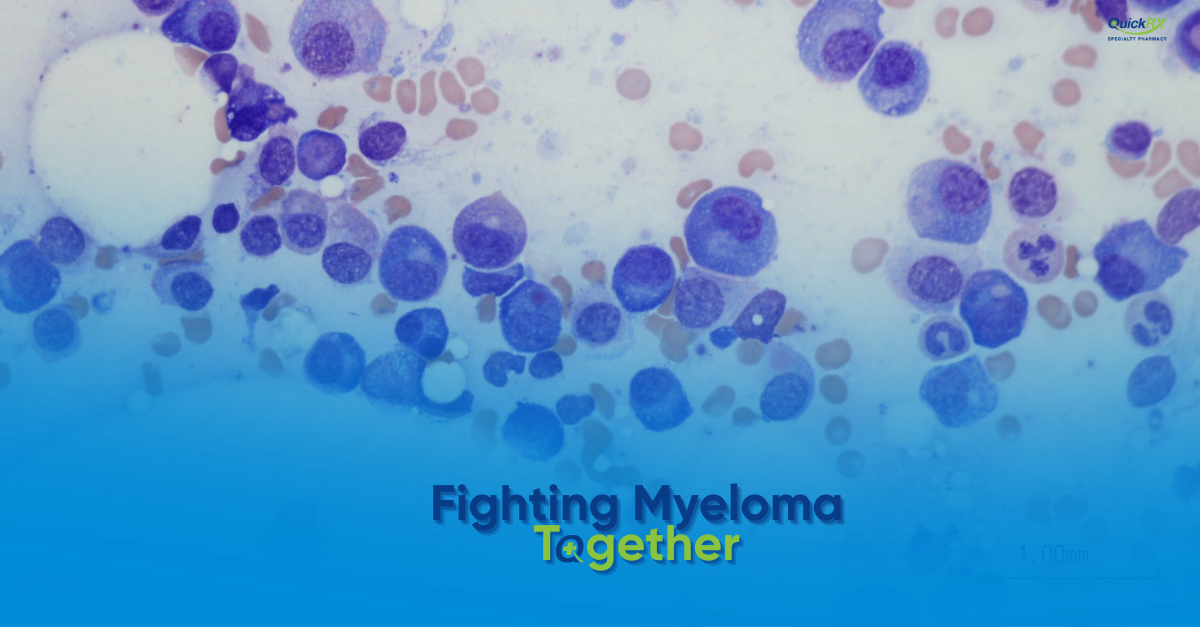
Pomalyst (pomalidomide) is an immunomodulatory drug used to treat multiple myeloma, a type of blood cancer that affects plasma cells in the bone marrow. According to National Cancer Institute information, Pomalyst is FDA-approved for:
- Multiple myeloma in combination with dexamethasone in patients who have received at least two prior therapies including lenalidomide and a proteasome inhibitor and have demonstrated disease progression on or within 60 days of completion of the last therapy
- AIDS-related Kaposi sarcoma in patients whose disease has not improved after highly active antiretroviral therapy (HAART) or in HIV-negative patients
Pomalyst (pomalidomide) is an immunomodulatory agent with multiple mechanisms of action against multiple myeloma:
- Direct anti-tumor effects: Induces apoptosis (programmed cell death) in myeloma cells
- Immune system activation: Stimulates T cells and natural killer (NK) cells to attack cancer cells
- Anti-angiogenic effects: Inhibits the growth of new blood vessels that tumors need to grow
- Microenvironment disruption: Interferes with the bone marrow environment that supports myeloma cell survival
Pomalidomide is structurally similar to thalidomide and lenalidomide but has enhanced potency and may be effective in patients who have become resistant to other immunomodulatory drugs.
According to FDA prescribing information, the recommended starting dose of Pomalyst for multiple myeloma is:
- 4 mg taken orally once daily on Days 1-21 of repeated 28-day cycles
- Taken with dexamethasone (40 mg daily on Days 1, 8, 15, and 22 for patients ≤75 years; 20 mg for patients >75 years)
- Continue treatment until disease progression or unacceptable toxicity
For AIDS-related Kaposi sarcoma, the recommended dose is 5 mg once daily on Days 1-21 of 28-day cycles until disease progression or unacceptable toxicity.
Your oncologist will determine the appropriate dose based on your specific situation and may adjust it based on side effects or response to treatment.
For optimal results and safety, follow these important guidelines:
- Take at the same time each day: Consistency helps maintain steady drug levels
- Take with or without food: Pomalyst can be taken regardless of meals
- Swallow capsules whole: Do not break, chew, or open the capsules
- Handle carefully: Pomalyst capsules should not be handled by pregnant women or those who may become pregnant
- If you miss a dose: Take it as soon as you remember if within 12 hours; otherwise skip and take the next dose at the regular time
- Do not take two doses at once
Like all chemotherapy medications, Pomalyst can cause side effects. Understanding what to expect helps you work with your healthcare team to manage them effectively.
Very common side effects (occurring in more than 10% of patients):
Blood-related:
- Neutropenia (low white blood cells) – 50% to 52%
- Anemia (low red blood cells) – 38%
- Thrombocytopenia (low platelets) – 25%
- Leukopenia (low white blood cells) – 11%
General:
- Fatigue and weakness – 28% to 55%
- Fever – 19% to 27%
- Edema (swelling) – 14% to 23%
Gastrointestinal:
- Constipation – 22% to 36%
- Diarrhea – 21% to 34%
- Nausea – 15% to 36%
- Decreased appetite – 17% to 22%
Other common effects:
- Back pain – 12% to 32%
- Muscle spasms – 19% to 22%
- Upper respiratory infection – 10% to 32%
- Peripheral neuropathy (numbness/tingling) – 10% to 18%
- Dizziness – 14% to 20%
Contact your healthcare provider immediately or seek emergency care if you experience:
Blood Clots (Venous Thromboembolism):
- Deep vein thrombosis (DVT): leg swelling, pain, warmth, or redness
- Pulmonary embolism (PE): sudden shortness of breath, chest pain, rapid heartbeat
- Stroke symptoms: sudden confusion, trouble speaking, weakness on one side
Severe Allergic Reactions:
- Severe skin reactions (Stevens-Johnson syndrome)
- Angioedema (swelling of face, lips, tongue, throat)
- Anaphylaxis
Serious Infections:
- Fever above 100.4°F (38°C)
- Chills or shaking
- Persistent cough or breathing problems
- Signs of pneumonia or sepsis
Liver Problems:
- Yellowing of skin or eyes (jaundice)
- Dark urine
- Severe fatigue
- Upper right abdominal pain
Other Serious Effects:
- Tumor lysis syndrome (rapid breakdown of cancer cells)
- Second primary malignancies (new cancers)
- Severe neuropathy
Pomalyst is only available through a restricted program called Pomalyst REMS® (Risk Evaluation and Mitigation Strategy) due to the risk of serious birth defects. According to FDA REMS requirements:
Requirements for patients:
- Must be enrolled in the Pomalyst REMS program before receiving medication
- Females of reproductive potential must have two negative pregnancy tests before starting
- Must use two forms of effective contraception or abstain from heterosexual sex
- Must not donate blood or sperm during treatment and for specified time after
- Must comply with regular pregnancy testing (females)
Pomalyst can interact with several medications. Important interactions include:
CYP1A2 Inhibitors (may increase pomalidomide levels):
- Fluvoxamine
- Ciprofloxacin
- Enoxacin
Strong CYP1A2 Inducers (may decrease pomalidomide levels):
- Smoking (tobacco)
- Certain medications that induce this enzyme
Medications that increase blood clot risk:
- Erythropoiesis-stimulating agents (EPO)
- Estrogen-containing products
Dexamethasone interactions:
Since Pomalyst is taken with dexamethasone, be aware of steroid interactions with:
- Blood thinners
- Diabetes medications
- Certain antibiotics and antifungals
Patients on Pomalyst require regular monitoring:
Blood Tests:
- Complete blood count (CBC) weekly for first 8 weeks, then monthly
- Monitor for neutropenia, thrombocytopenia, and anemia
- Liver function tests periodically
Pregnancy Testing (females of reproductive potential):
- Two negative tests before starting treatment
- Weekly during first month
- Monthly thereafter
- At discontinuation and 4 weeks after
Other Monitoring:
- Signs of blood clots (DVT/PE)
- Signs of infection
- Neuropathy symptoms
- Second primary malignancies
NO. Pomalyst is contraindicated during pregnancy.
Pomalyst can cause severe, life-threatening birth defects or embryo-fetal death. According to FDA safety information:
- Females must have negative pregnancy tests before starting treatment
- Must use two effective forms of birth control or abstain completely
- Pregnancy testing continues throughout treatment
- Males must use condoms during treatment and for 4 weeks after
- Do not donate blood or sperm during treatment
If pregnancy occurs during treatment, stop Pomalyst immediately and contact your healthcare provider. There is a pregnancy exposure registry to monitor outcomes.
A Pomalyst copay card is a manufacturer-sponsored program that reduces your out-of-pocket costs at the pharmacy. These programs help make multiple myeloma treatment more affordable.
How the Pomalyst copay card works:
- You present your copay card along with your insurance card at the pharmacy
- Your insurance is billed first and determines your copay/coinsurance amount
- The copay card covers the difference between your insurance copay and a lower amount
- Eligible patients may pay $0 for their Pomalyst prescription
Eligibility for Pomalyst copay assistance depends on your insurance type:
Commercially insured patients:
- Active commercial (private) health insurance that covers Pomalyst
- Valid prescription from a licensed oncologist
- U.S. residency
- NOT enrolled in Medicare, Medicaid, TRICARE, VA, or other government-funded programs
Medicare and Medicaid patients:
- Cannot use manufacturer copay cards due to federal Anti-Kickback regulations
- May qualify for independent foundation grants (income-based eligibility)
- QuickRx connects eligible patients to foundation programs for oncology medications
Uninsured patients:
- May qualify for manufacturer patient assistance programs providing free medication
- Income limits typically apply
- Annual application required with income documentation
References
- U.S. Food and Drug Administration. Pomalyst (pomalidomide) Prescribing Information. Bristol-Myers Squibb.
- National Cancer Institute. Pomalidomide Drug Information.
- U.S. Food and Drug Administration. Risk Evaluation and Mitigation Strategies (REMS).
- National Institutes of Health. Multiple Myeloma. StatPearls Publishing.
- Multiple Myeloma Research Foundation. Patient Resources and Support.
- Leukemia & Lymphoma Society. Myeloma Patient Information.
- International Myeloma Foundation. Myeloma Education and Support.

Medical Disclaimer
Head Patient Navigator, QuickRx Specialty PharmacyJulia Kravtsova, PharmD, is the Head Patient Navigator at QuickRx Specialty Pharmacy, where she oversees patient care coordination for complex specialty medications including oncology treatments. With extensive experience in specialty pharmacy services, Dr. Kravtsova ensures patients receive comprehensive support for their medication needs, from copay assistance enrollment to clinical counseling.
Learn More About Pomalyst